Minutes Determine Acres
Australia's fire seasons are becoming more intense and lasting longer. The vehicles deployed to fight them are not keeping pace. Introducing FOKA, a dual-use OKA built for the wheatbelt.
Category:
Frontline
Author:
Zoe Barnes
Read:
6 mins
Location:
Western Australia
Date:
Introducing FOKA
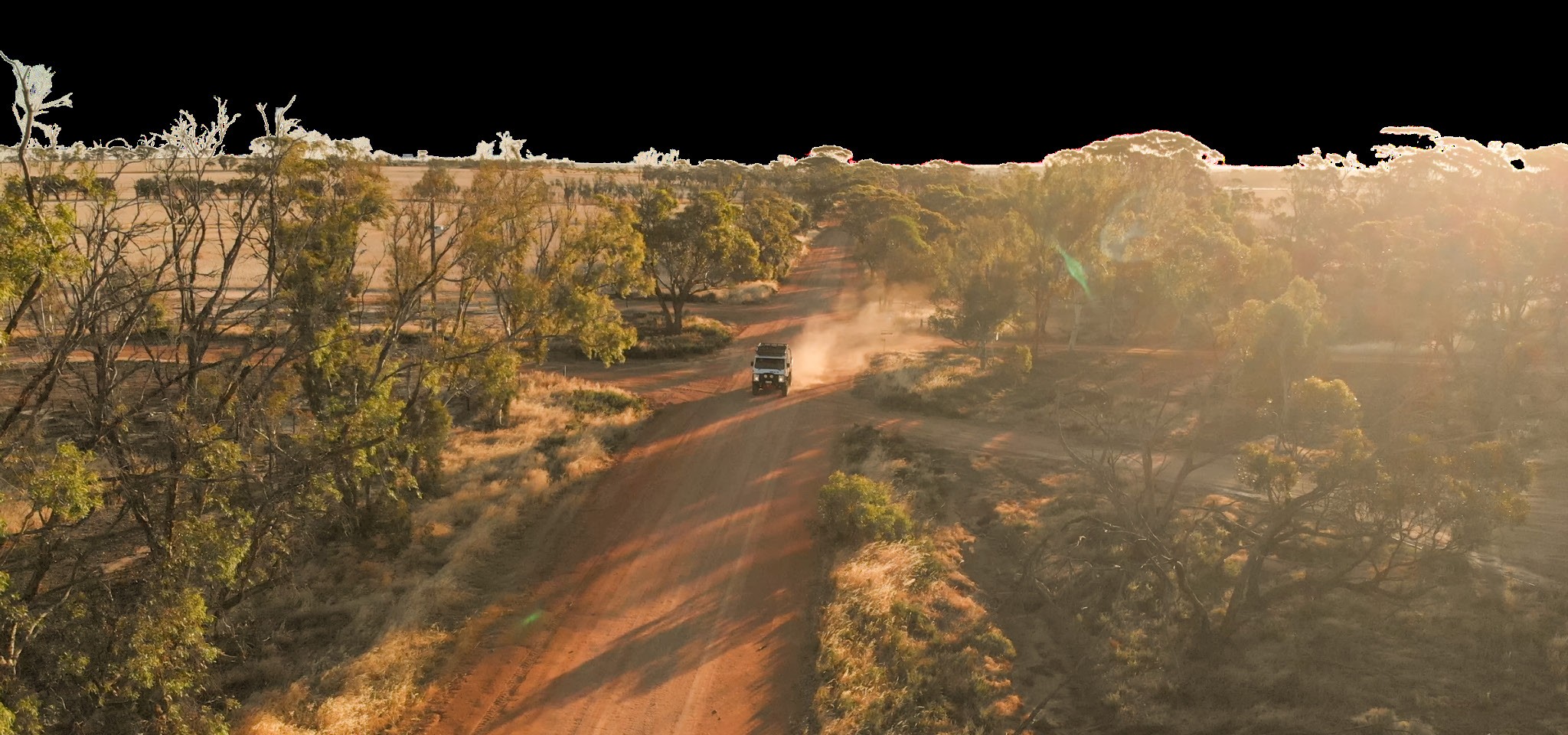
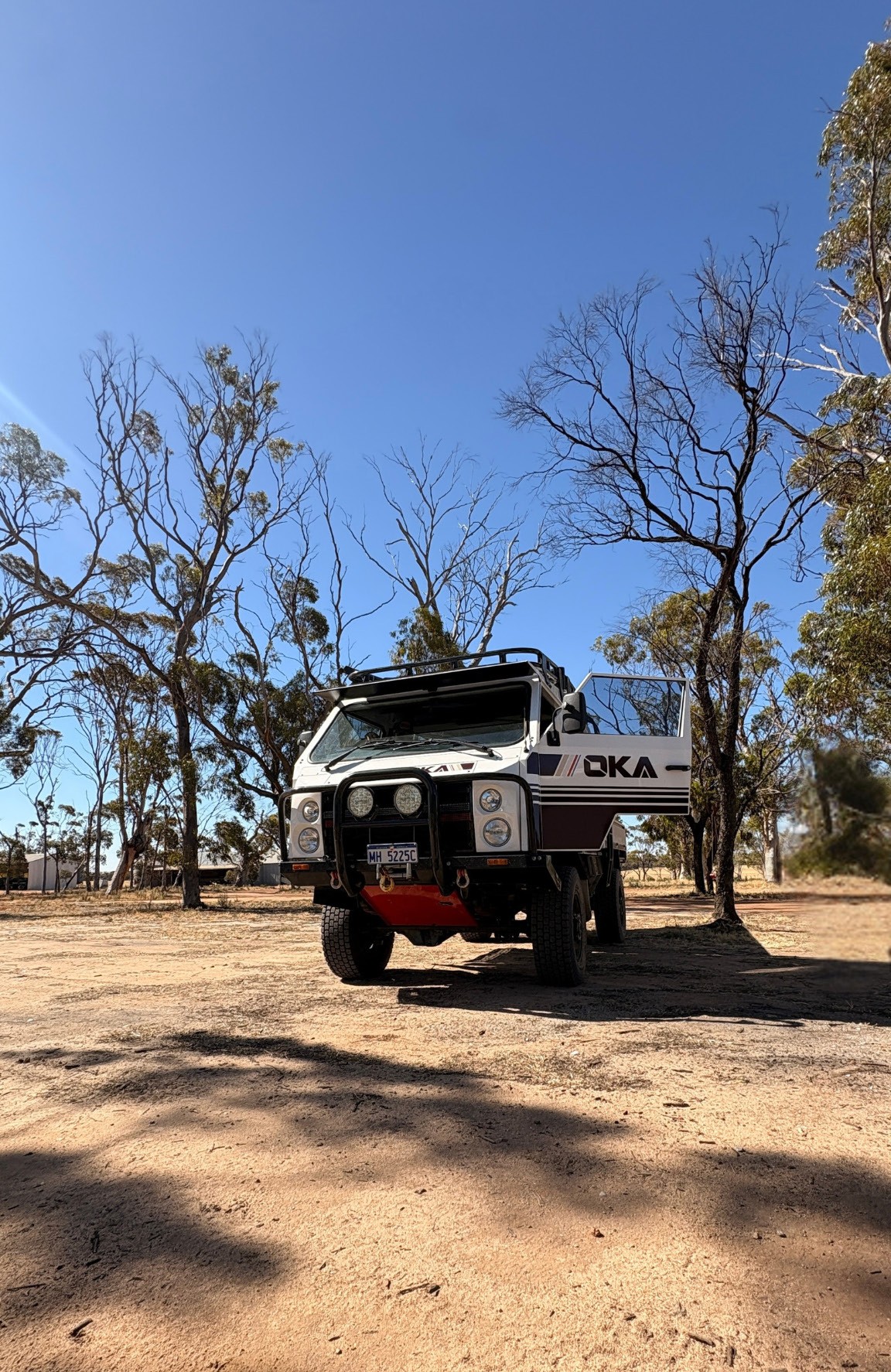
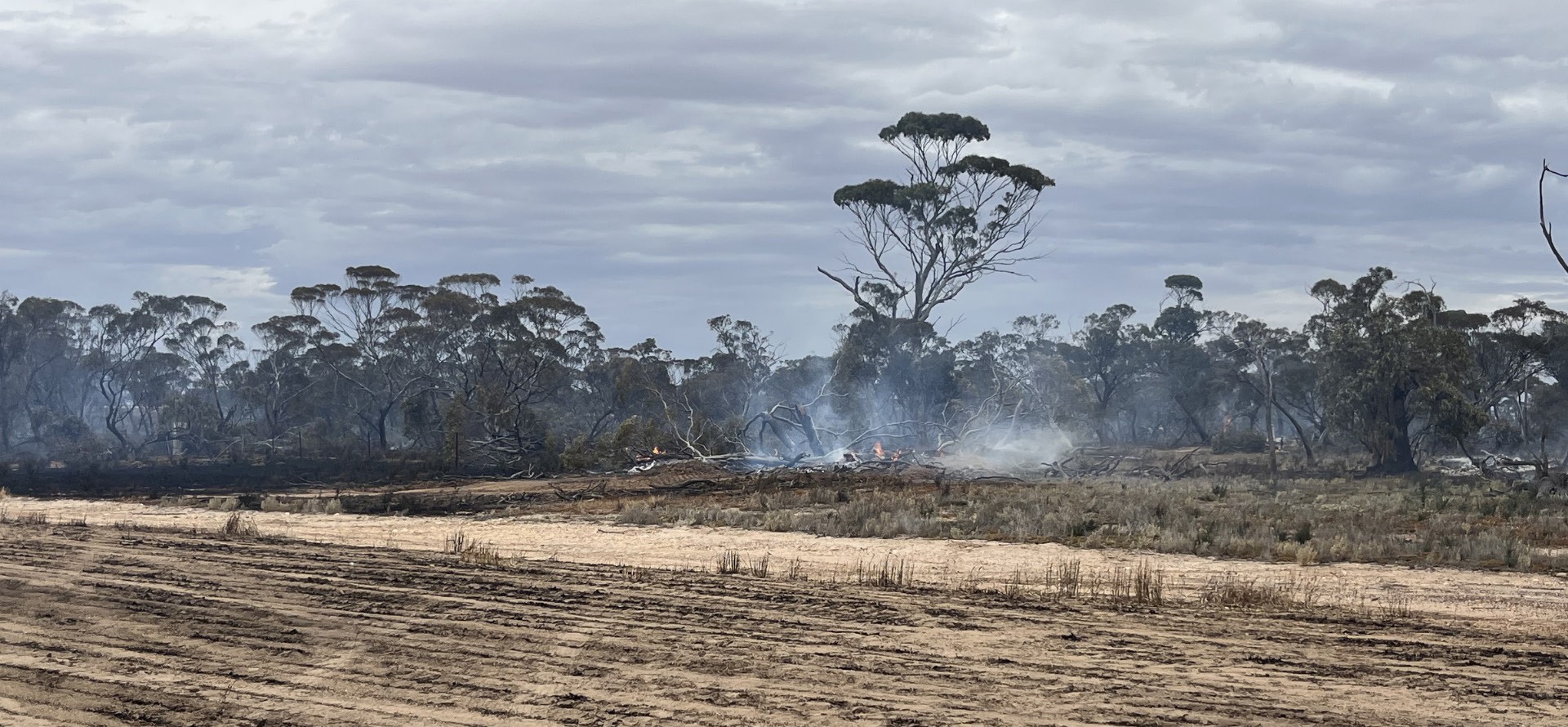
This past harvest season was particularly severe across Western Australia's wheatbelt. On one farm alone, dry lightning strikes caused approximately $300,000 in lost crops and endangered the local town. The farm had firefighting equipment. It had volunteer crews on standby. What it did not have was a vehicle capable of reaching the fires fast enough in terrain that conventional fire trucks could not access. As climate risk intensifies, FOKA is a dual-use solution that addresses the core firefighting gap while adding practical value to rural businesses outside of the fire season. This initiative by OKA was born from firsthand experience and frustration, with OKA's leadership team involved in large-scale wheatbelt farming and living with the operational realities of a changing climate. OKA is a dual-use vehicle platform that operates as a productive farm asset for most of the year, while retaining rapid-response firefighting capability when conditions demand it. Engineered with significantly higher payload capacity and all-terrain capability than a typical farm ute with a standard slide-on fire unit, FOKA can carry up to five times more water into hard-to-reach terrain. Its Cummins driveline powers high-pressure pumps for safer and more effective water delivery. FOKA is built on OKA's proven Gen-5 platform, operating on a wheelbase comparable to a Land Cruiser while delivering up to five times the payload capacity. That carrying capacity is typically associated with larger, slower medium-class trucks such as the Unimog, yet FOKA delivers it within a more compact platform that navigates tight farm tracks and fire trails with ease. Throughout the 1990s, OKA vehicles were widely deployed as fire response units across Australian shires and by the Royal Australian Air Force. FOKA builds on that proven foundation, updated for the realities rural communities now face in a changing climate.
The problem with importing solutions for Australian problems
In 2017, the Victorian Government committed $32 million to upgrading a fleet comprising 290 Mercedes-Benz G-Class vehicles and 59 Unimogs for Forest Fire Management Victoria, positioning the investment as 'world-class firefighting capability'. By October 2025, just weeks before one of Victoria's most significant bushfire seasons, the entire fleet of G-Class and Unimog vehicles was grounded following identification of cracks in the chassis and sub-frame. With fire brigades already under pressure and CFA (Country Fire Authority) volunteers stretched, Victoria, one of the country's most fire-prone states, was forced to seek support from South Australia. Victoria's G-Class and Unimog fleet, like many fleet solutions, is built on imported mass-produced OEM platforms originally designed for general market applications. Adapting these vehicles for Australian off-highway firefighting roles requires extensive aftermarket modification. In doing so, they are often pushed beyond their original engineering parameters, particularly under sustained use in Australia's harsh operating conditions. OKA is Australian engineered and built specifically for Australian conditions. The platform has operated in some of the most demanding environments this country offers for more than 40 years. Under new Australian investment and management, OKA is building on that legacy, refining and modernising a technically mature vehicle platform to meet the evolving demands of today's operating environments.
The reality of a changing climate in rural communities
Western Australia is classified as 90 per cent bushfire prone, with more than 26,000 DFES volunteers responsible for protecting approximately 25 million square kilometres of land. Within this area, the wheatbelt alone covers 15.4 million hectares across 42 local government authorities and contributes A$18 billion in annual economic output. Volunteer firefighters, many of whom are farmers, form the backbone of bushfire response across the wheatbelt. One of them is Brad Jones, a long-term wheatbelt farmer based in Tammin, Western Australia, and a non-executive director of OKA. He operates a large-scale cropping enterprise covering approximately 11,500 hectares in the central wheatbelt. During the most recent harvest season, Brad lost more than $300,000 in crop due to lightning strikes. “As climate conditions change, we are seeing a clear increase in dry lightning strikes, with the recent harvest period particularly severe. A single lightning strike can wipe out crops, critical farming infrastructure and even threaten nearby towns. Within our shire, around 20 farmers remain on call throughout harvest. This year alone, we responded to more than a dozen fires, including a major incident on our own property that came close to threatening our town.” When lightning strikes, minutes determine whether hundreds of hectares are saved or lost. If the available equipment cannot reach the ignition point, containment is compromised. Conventional fire trucks are designed primarily for sealed roads and structured urban response. Farm utilities fitted with slide-on units provide mobility but often lack the payload capacity and water delivery required for effective frontline suppression in remote terrain. Purchasing and maintaining a dedicated fire response vehicle that sits idle for most of the year is rarely economically viable for individual operators. The business case only works if the asset serves year-round operational functions beyond the fire season: high payload capacity for transporting materials and produce, driveline power take-off for operating equipment, and all-terrain access for routine property management. When fire conditions escalate, the same platform must transition immediately to frontline response, without operators maintaining a separate specialised vehicle. This is where OKA's engineering architecture and multi-use capability become critical.